
A large randomized controlled trial published in July 2026 has put a number on something nutritionists have long suspected: eating a wide variety of whole plant foods reshapes the gut microbiome far more powerfully than taking a single-strain probiotic supplement. For anyone looking to improve their foods for gut health lineup, the findings offer a clear and actionable direction.
What Happened
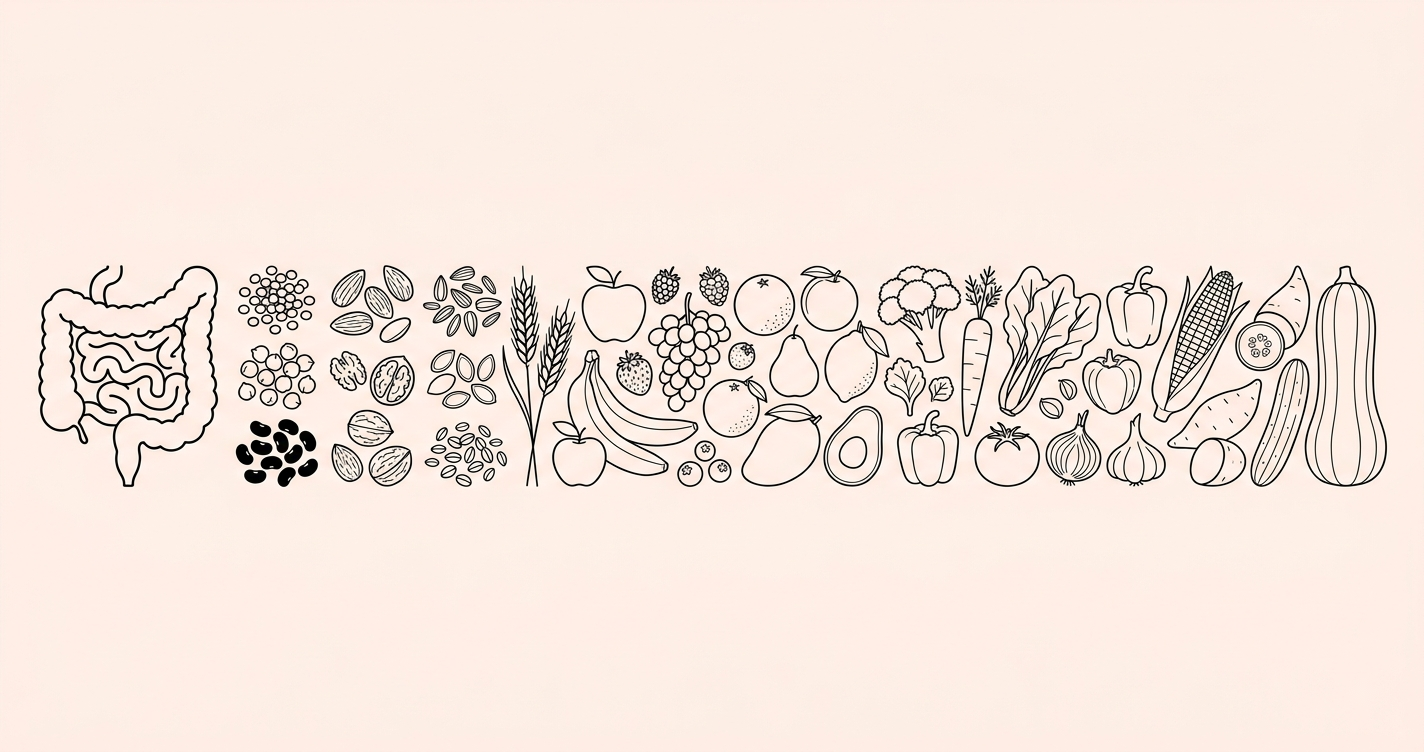
Researchers from ZOE enrolled 399 adults and split them into three groups: one received a blend of 30+ different plant types (wholegrains, legumes, seeds, fruits, and vegetables), one took a probiotic supplement, and one served as a control. After six weeks, according to the British Journal of Nutrition, the plant-blend group showed significant changes in 57 bacterial species — compared to 14 in the control group and just 4 in the probiotic group. Adherence was remarkably high at 98.8% across all groups, strengthening confidence in the results.
What the Numbers Mean
The plant-diversity group also reported reduced indigestion, constipation, heartburn, and flatulence (all p < 0.05), along with higher subjective energy levels. A separate postprandial arm of the study found that consuming the blend cut hunger by 16.9% and boosted feelings of fullness by 41.5%. Notably, the intervention did not produce meaningful changes in blood metabolites, body weight, or sleep quality — so the benefits were concentrated in the gut itself, not systemic metabolism.
What This Means for Your Diet
The study reinforces a practical rule of thumb: variety counts more than any single supplement. Swapping a daily probiotic capsule for a deliberate effort to hit 30+ plant species per week — different vegetables, fruits, legumes, nuts, seeds, wholegrains, and herbs — appears to be the higher-leverage move for microbiome diversity. This doesn’t mean probiotics are useless, but the trial suggests that biodiversity of food, not a concentrated dose of one strain, is what the gut microbiome responds to most.