
Researchers at The Wistar Institute have identified a surprising mechanism behind ovarian cancer recurrence: fructose — the common dietary sugar found in sodas, fruit juices, and processed foods — acts as a molecular signal that helps surviving cancer cells spread. The findings, published July 30 in Nature Aging, add a new layer of urgency to what nutritionists and dietitians have long cautioned about high-fructose diets.
What the Study Found
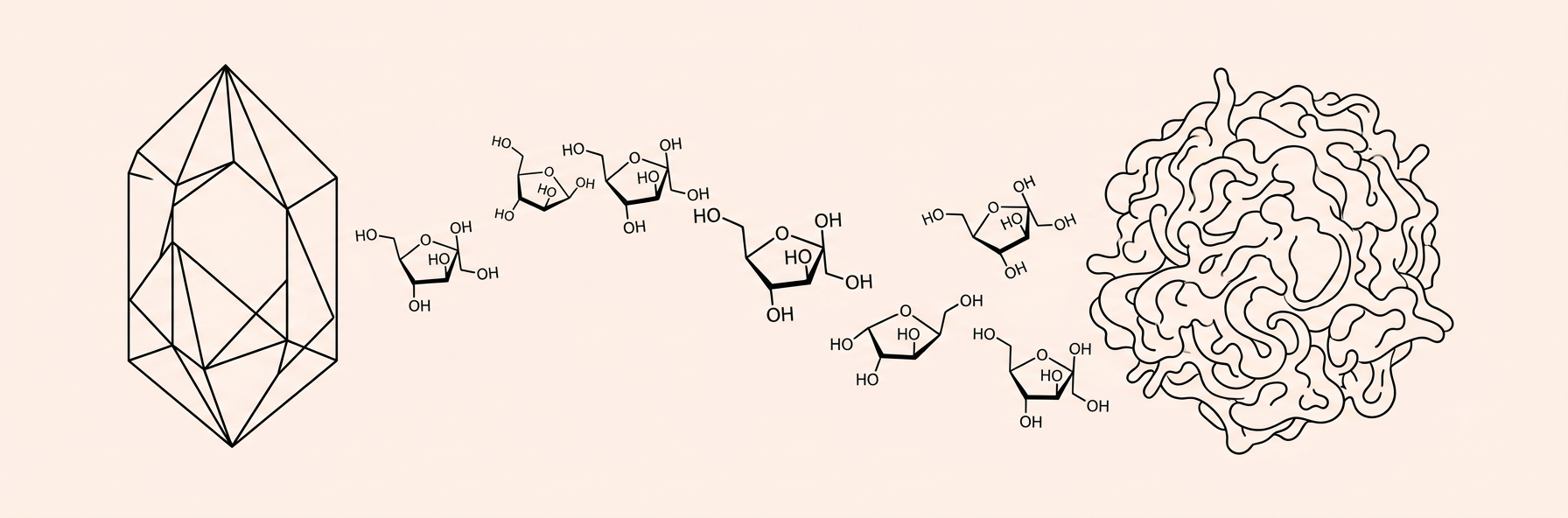
Ovarian cancer accounts for roughly 90% of its deaths through abdominal spread — and standard platinum-based chemotherapy, while effective at first, leaves behind a small pool of resistant cells. The Wistar team, led by postdoctoral fellow Aidan Cole and senior author Dr. Katherine Aird, showed that these surviving cells release fructose into the tumor microenvironment. That fructose then suppresses cholesterol synthesis in neighboring cancer cells. Because cholesterol acts as biological “glue” between cells, lowering it weakens adhesion and allows those neighbors to break free and disseminate. Critically, the researchers also found that high dietary fructose intake — independent of chemotherapy — can trigger the same spread in preclinical models. High-fructose corn syrup accounts for 8–20% of daily calories for some Americans, according to the study. As detailed in the Wistar Institute announcement, the research is preclinical and has not yet been confirmed in patients.
What This Means for Diet and Clinical Practice
The study does not call for patients to stop taking statins — which also lower cholesterol — and the authors emphasize the importance of examining potential interactions with chemotherapy, particularly in postmenopausal ovarian cancer patients. What the findings do reinforce is a growing evidence base linking excessive fructose consumption to cancer biology beyond its well-documented role in metabolic disease. For clinical dietitians, this signals a need to discuss high-fructose food sources — sugar-sweetened beverages above all — as part of oncology nutrition counseling, especially during and after chemotherapy.
What Comes Next
The Wistar team plans to investigate whether dietary fructose restriction or pharmacological blockade of fructose signaling can slow cancer dissemination in animal models, with the aim of moving toward clinical trials. Until then, the study adds to the rationale for limiting added sugars and high-fructose corn syrup — not as a cancer cure, but as a modifiable risk factor worth taking seriously in cancer prevention and survivorship nutrition planning.