
On October 9, an investigation released by the Yale School of Medicine illuminated why patients frequently fail to maintain nutritional overhauls. The findings establish that deeply ingrained emotional food preferences create a substantial psychological barrier, hindering the adoption of novel eating routines even when required for chronic disease management.
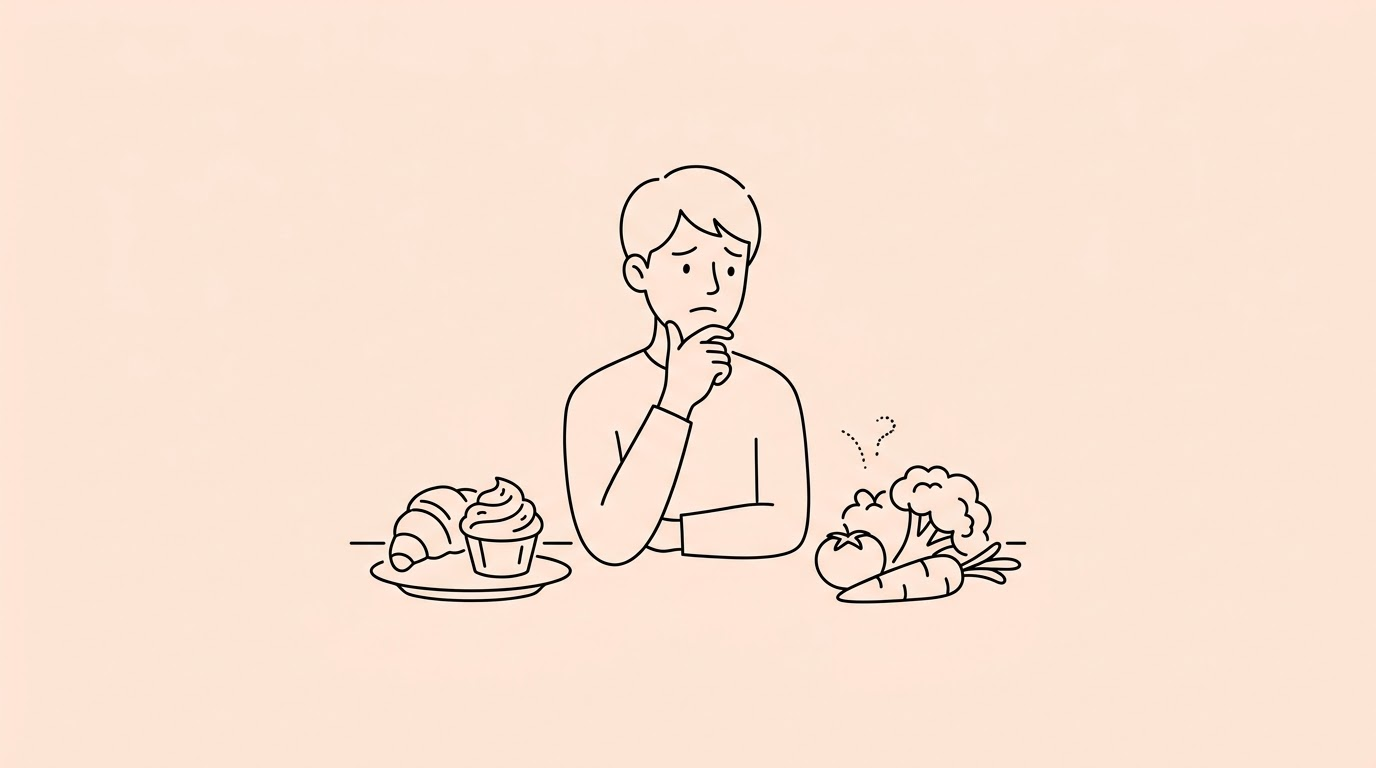
The Resistance to Unlearning Tastes
To test how sentiments influence learning, scientists analyzed roughly 280 individuals who were tasked with anticipating computer-generated scores for two favored and two detested snacks. The trial frequently altered the scoring rules, forcing participants to attribute negative values to treats they loved and positive values to items they despised. Everyone in the cohort struggled to counter their natural instincts, a stark contrast to previous studies where subjects easily adapted to changing values for neutral geometric shapes.
Leveraging Priming for Better Outcomes
Interestingly, the sequence of the cognitive challenge significantly impacted flexibility. Subjects who immediately faced scenarios challenging their established biases adapted more easily than those whose tastes were initially validated. Furthermore, the results showed that assigning new values to disliked items proved less difficult than changing perceptions of beloved treats. As researcher Alex Rich explained, this dynamic suggests that integrating a less favored vegetable into a meal plan may be a more achievable initial step than demanding the complete removal of a highly desired dessert.